
Arthritis can affect anyone, but you have more control than you might think! In this guide, we will offer 10 evidence-based arthritis prevention tips you can put into practice today.
Whether you are young, fit, or have a family history, these steps empower you to lower your risk of developing arthritis and protect your joints long-term.
What You Will Learn:
Maintain a healthy weight and stay active with low-impact exercise.
Eat an anti-inflammatory diet rich in fruits, vegetables, and Omega-3s.
Quit smoking and manage chronic conditions like diabetes or gout.
Protect joints through good posture, proper footwear, and injury prevention.
Stay hydrated, get key nutrients, and see a doctor early for any joint pain.

10 Habits to Prevent Arthritis & Protect Joints
According to the Global Burden of Disease Study 2021, osteoarthritis affects 15% of the global population over the age of 30, with cases increasing from 256 million people in 1990 to 595 million people in 2020. That is a 132% increase over three decades! This alarming trend makes prevention strategies more crucial than ever.
You cannot guarantee that arthritis will never occur, but many proven steps reduce the risk and protect joint function. Let’s dive into these 10 early arthritis prevention habits.
Keep a healthy weight
Maintaining a healthy weight is one of the most effective ways to support arthritis prevention. Extra weight puts pressure on your knees, hips, and spine and increases wear on your joints.
Even small, steady weight loss can make a big difference in reducing pain and slowing joint damage. Aim for balanced meals, portion control, and regular physical activity to help prevent arthritis and protect your joints in the long term.
Stay active
Regular movement keeps joints flexible and muscles strong, which are key elements for arthritis prevention. Choose activities that are gentle on the joints, such as:
- Walking or Cycling (low-impact cardio)
- Swimming (no joint impact)
- Strength exercises (to stabilize knees, hips, and shoulders)
Staying active also helps maintain a healthy weight and improve balance. The more you move, the more you practice early arthritis prevention and protect your joints.
Protect joints & avoid injuries
Joint injuries significantly increase your risk of developing arthritis later in life. Practicing early arthritis prevention means taking care during all activities. To protect your joints:
- Use proper techniques when lifting.
- Always warm up before exercise.
- Wear protective gear when necessary.
- Avoid repetitive strain and always listen to your body’s signals.
Protecting your joints now lowers the chance of damage that can lead to arthritis.
Picture 2:

Follow an anti-inflammatory diet
What you eat plays a major role in arthritis prevention. An anti-inflammatory diet (such as the Mediterranean style) helps reduce the systemic inflammation that damages joints. Focus on foods rich in anti-inflammatory properties:
- Fruits and vegetables
- Whole grains and olive oil
- Fatty fish (rich in Omega-3s)
Limiting processed foods, sugar, and saturated fats helps prevent arthritis and improves how your joints feel. Healthy eating truly protects your joints from the inside out.
Stop smoking
Smoking is strongly linked to rheumatoid arthritis and worsens symptoms if arthritis develops. Quitting is one of the most powerful arthritis prevention tips available. Smoking triggers inflammation and reduces blood flow to joint tissues, slowing repair and increasing pain risk.
The good news? The benefits of quitting start almost immediately. Stopping smoking improves your overall health, boosts energy, and helps your body better protect itself against arthritis.
Look after oral & general health
Taking care of your teeth and gums is an overlooked part of arthritis prevention. Gum disease (periodontitis) and certain chronic infections can trigger systemic inflammation that directly affects your joints. To minimize this risk:
- Brush and floss regularly.
- See your dentist for routine cleanings.
- Treat any acute infections early.
Good oral hygiene supports a balanced immune system and helps prevent arthritis linked to inflammation.
Wear appropriate footwear & use good ergonomics
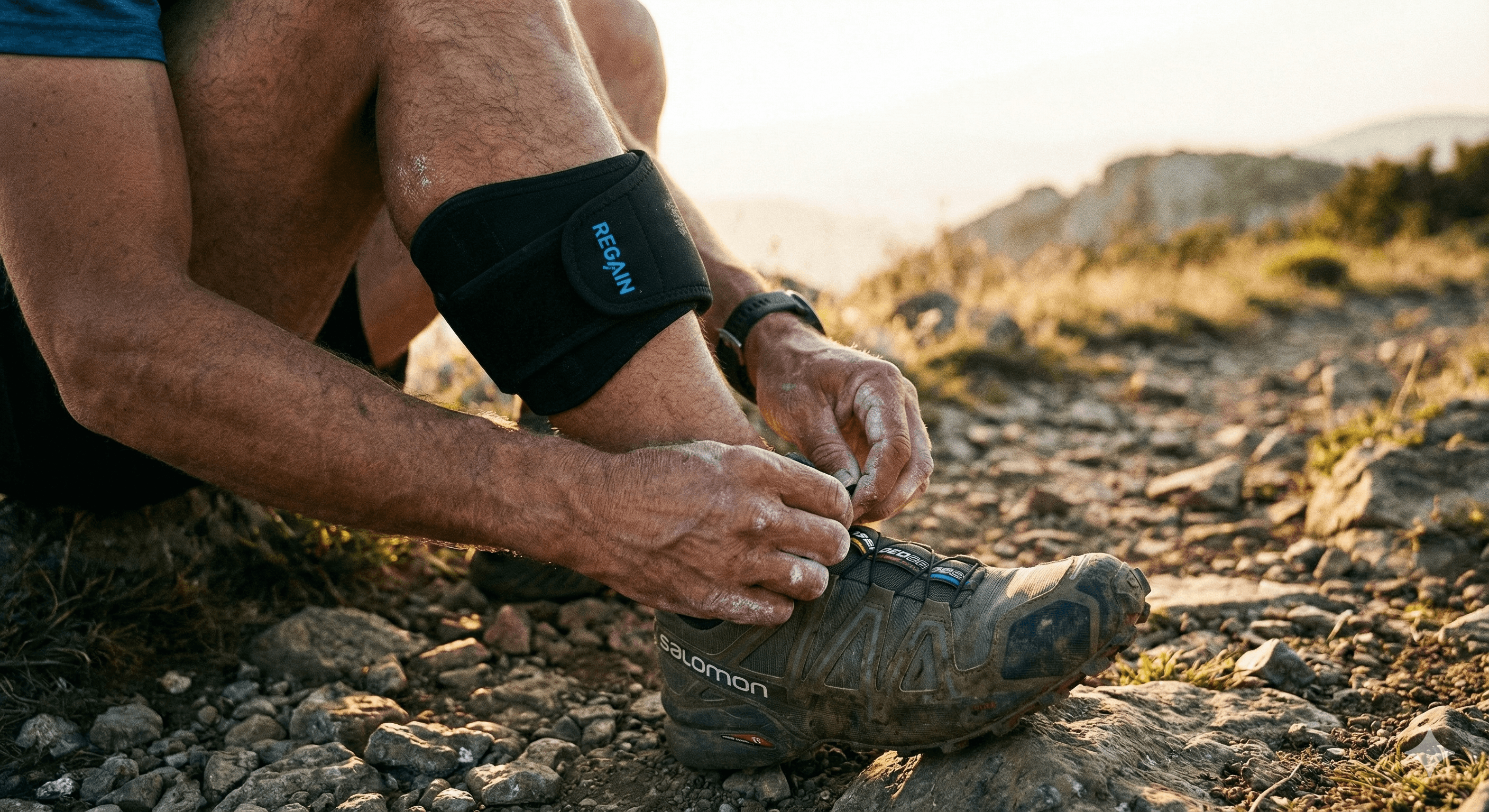
Your posture and footwear directly affect your joint health. Supportive shoes and proper alignment reduce stress on your knees, hips, and back, playing an important role in arthritis prevention.
At work or home, arrange your desk or workspace to protect your joints and prevent strain. Small ergonomic changes can go a long way in helping you prevent arthritis and stay pain-free, such as adjustable chairs, proper screens, or cushioned shoes.
Stay hydrated & get key nutrients
Water and key nutrients are essential for healthy joints. Hydration helps maintain joint lubrication, while nutrients support strong bones and cartilage. Focus on key joint-supporting nutrients:
- Vitamin D and Calcium (for bone strength)
- Vitamin C (for cartilage health)
A balanced diet naturally aids arthritis prevention. If you suspect nutrient deficiencies, speak to your doctor about testing or supplements. Staying hydrated and nourished is a powerful way to maintain flexibility.
Manage other health conditions
Chronic conditions such as diabetes, gout, and obesity can increase your risk of arthritis. Managing them well is part of early arthritis prevention. Regular checkups, medication adherence, and healthy lifestyle choices help control inflammation and reduce joint stress.
For example, managing blood sugar levels can slow cartilage breakdown. Taking care of your overall health not only improves your daily life but also helps prevent arthritis over time.
Get regular checks & act early
Catching joint changes early is one of the best arthritis prevention tips. Regular medical checkups help identify early signs of inflammation, stiffness, or swelling before they worsen.
If you notice persistent joint pain or morning stiffness, don’t ignore it and see your doctor. Early diagnosis allows for prompt treatment and lifestyle adjustments that can prevent arthritis from progressing and protect your mobility for years to come.
A Checklist for Arthritis Prevention
We went through 10 habits for arthritis prevention in the previous section. In case you need the information in a listed form, we prepared this checklist for you:
Maintain a healthy BMI / weight.
Do 150 min/week of moderate activity.
Eat Mediterranean / anti-inflammatory food and limit ultra-processed food.
Stop smoking.
Treat gum disease.
Avoid joint injuries, use good technique, and protective gear.
Check and manage gout, diabetes, or other metabolic issues.

When to See a Doctor for Arthritis
If you notice persistent joint pain, stiffness, or swelling lasting more than a few weeks, it is time to see a doctor. Early evaluation is key to arthritis prevention and effective treatment.
Seek medical help if you have:
Morning stiffness over 30 minutes
Redness or warmth around joints
Pain that interferes with daily activities.
These symptoms could indicate early arthritis or another condition needing attention. Early diagnosis allows timely care to prevent arthritis from worsening and protect your long-term joint health.
Conclusion
Arthritis prevention tips can blend lifestyle habits with injury avoidance and good chronic-disease care. These steps will not guarantee zero risk, but they substantially lower the chance of developing arthritis or slow its progress, and they improve overall health.
If you are concerned about joint symptoms, have a family history of arthritis, or want a personalized prevention plan, help is available here.
Book an assessment with Dr. Farid Ghasemzadeh in Dubai through this website to get targeted advice and testing.
What is the single biggest change you plan to make to protect your joints? Let us know in the comments below if you will focus on diet, weight, or activity!
FAQ
Answers to your questions
How long does it take to recover from knee replacement surgery?
What are the common risks associated with knee replacement surgery?
When should I consider knee replacement surgery?
One click, One plan, Real results
Evidence-led surgery and tailored rehab to restore mobility and confidence.

One click, One plan, Real results
Evidence-led surgery and tailored rehab to restore mobility and confidence.
One click, One plan, Real results
Evidence-led surgery and tailored rehab to restore mobility and confidence.